
10 Essential Email Flows in Ecommerce to Maximise Revenue

10 Essential Email Flows to Maximise Revenue in Ecommerce

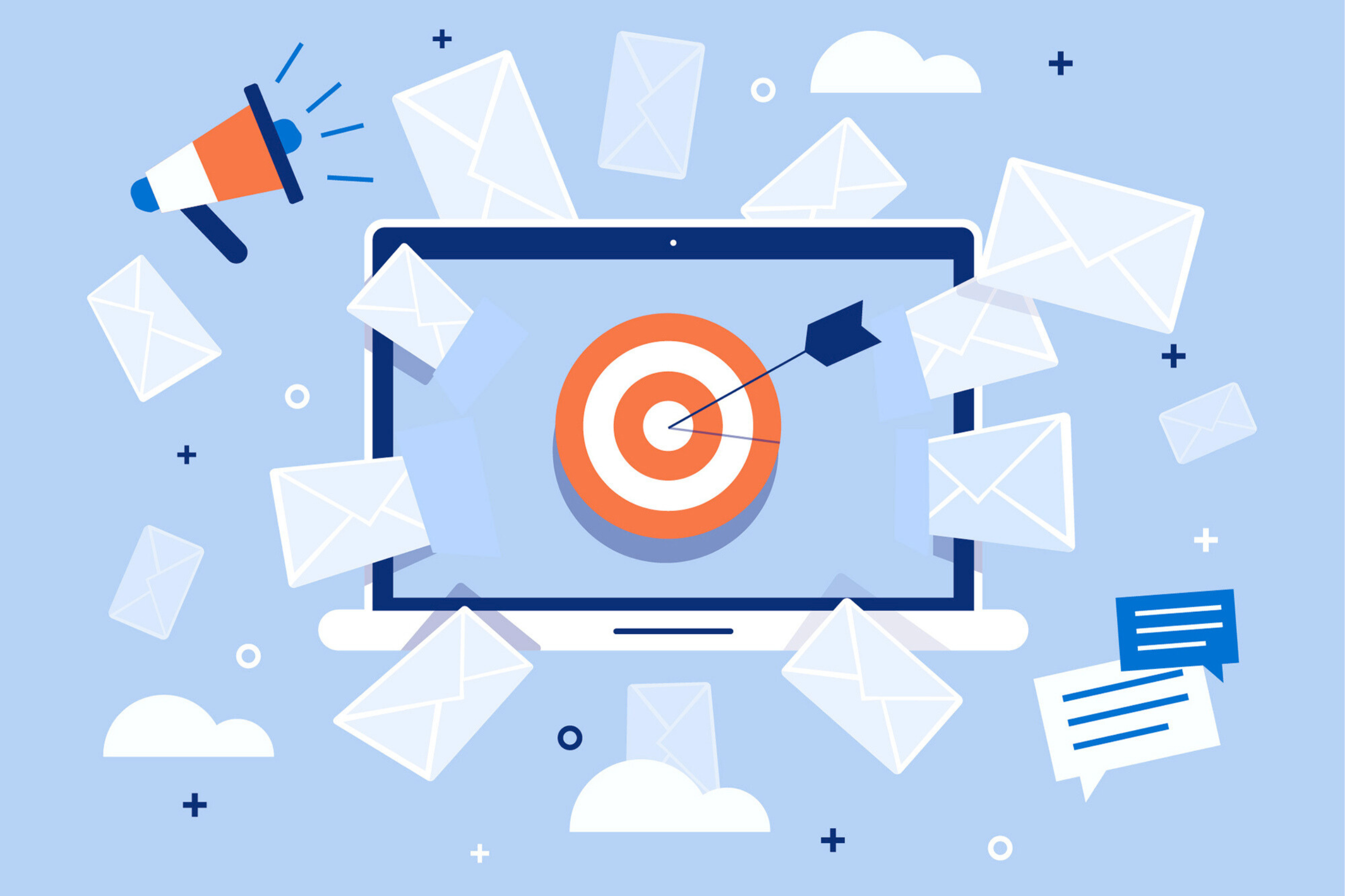
In an increasingly competitive digital landscape, a brand’s ability to communicate strategically with its customer base largely determines its success. A strong email marketing strategy is no longer just a differentiator — it is an operational necessity to boost conversions, retention, and, ultimately, sales.

Here are ten essential email flows that every brand should implement to structure effective communication throughout the customer journey. While different businesses may prioritise certain flows, each serves specific and complementary functions to drive results.

1. Welcome Flow

This is one of the most important flows in any strategy. It is usually the first direct communication a user receives after subscribing to the newsletter or creating an account on the online store.

The welcome flow is designed to:

  • Introduce the brand, its value proposition, and differentiation

  • Build trust from the very first contact

  • Set expectations about the type of communication the customer will receive

  • Encourage the first purchase, often through a discount or exclusive benefit


This flow typically achieves some of the highest open and conversion rates, making it an excellent opportunity to make a great first impression and accelerate the purchase decision.

2. Abandoned Cart

Around 70.19% of online shopping carts are abandoned on average across all sectors. This makes the abandoned cart flow one of the biggest direct revenue generators in email marketing.

Abandoned cart emails remind the user that they left products in their cart and help overcome potential objections, such as:

  • Forgetfulness

  • Doubts about the product

  • Lack of urgency

  • Price or additional costs

3. Abandoned Browsing

This flow is triggered when a user has visited products or categories but hasn’t added anything to their cart.

Although it is a more subtle approach than the abandoned cart flow, it is extremely effective for:

  • Reinforcing initial interest

  • Keeping the brand top of mind

  • Educating the customer about the product


Here, the focus should not be on aggressive selling, but rather on inspiration, highlighting benefits and relevance by showing viewed or similar products and content that aids the purchase decision.

4. Abandoned Checkout

Similar to the abandoned cart flow, this is triggered when a user has already started the checkout process — one step closer to conversion.

This flow typically has even higher recovery rates, as the customer has already shown a strong purchase intent. The main barriers at this stage often include:

  • Technical issues

  • Unexpected costs

  • Lack of confidence in payment


Clear, direct messages focused on security, simplicity, and urgency are essential to recover these sales.
5. Review / Feedback Request Flow

After a purchase, this flow aims to request feedback or reviews of the products purchased.

Besides strengthening the relationship with the customer, reviews are essential to:

  • Increase trust for future buyers

  • Improve conversion rates

  • Generate authentic social proof

  • Gain valuable insights about products and the customer experience


This flow should be sent at the right time — after the customer has had enough time to try the product.

6. Re-engagement Offer (0–7 Days)

After the first purchase, there is a short window of high propensity for a repeat purchase. This is the moment when the customer is still emotionally connected to the brand and more receptive to new offers.

This flow can:

  • Encourage a second purchase quickly

  • Turn a one-time buyer into a recurring customer

  • Increase the average value per customer


Incentives such as exclusive discounts, personalised suggestions, or bundles work particularly well at this stage.

7. Customer Recovery

Customer recovery is one of the most strategic flows for protecting revenue in the medium and long term. Not all inactive customers are at the same stage — which is why it’s essential to work with two distinct flows, each with different objectives, timing, and messages.

 
Last Interaction Flow (Short Term)

This flow targets customers who have recently stopped interacting with the brand but are not yet considered lost.

  • Timing: 30–60 days without interaction (no email opens, clicks, or purchases)

  • Objective: Reactivate interest before the customer becomes fully inactive

 
Customer Recovery Flow (Long Term)

This flow is aimed at customers who haven’t purchased for several months and are considered inactive or lost.

  • Timing: 90–180+ days without a purchase (adjustable according to the brand’s purchase cycle)

  • Objective: Bring the customer back and generate a new conversion

8. Cross-Sell / Up-Sell

After a purchase, this flow promotes complementary products, upgrades, or premium versions based on the customer’s purchase history.

When well personalised, this flow:

  • Increases Customer Lifetime Value (CLV)

  • Enhances the customer experience

  • Provides relevant suggestions rather than generic ones


It is especially effective when integrated with behavioural and preference data.

9. Birthday

Birthday emails are highly personalised and create an emotional connection with the brand.

This flow can include:

  • Personalised message

  • Exclusive discount

  • Special offer valid for a limited time


Being sent at a personal and relevant moment, they usually achieve above-average open and engagement rates.

10. Back in Stock

This flow is triggered when a product the customer showed interest in becomes available again.

It is an excellent opportunity to:

  • Recover lost sales

  • Create urgency

  • Leverage existing purchase intent


“Back in Stock” emails are highly relevant and personalised, resulting in very high conversion rates.

If your brand is already generating traffic but isn’t maximising returns through structured email marketing, there is a clear growth opportunity that shouldn’t be overlooked.

Want to apply these flows to your ecommerce and boost sales? Togas can help you plan, implement, and optimise a complete email marketing strategy tailored to your business.

Get in touch and discover how to turn visitors into customers — and customers into repeat buyers.

Tags:

Digital Marketing, Ecommerce, Email Marketing

Share: